
How to Start and Own a Commercial & Residential Fence Painting Business
Most fence projects are $8,000 and up, depending on where you live that figure may be more or less. Launching a fence painting business that serves both homeowners and commercial clients takes clear planning, the right tools, and smart marketing. This guide walks you through every step—from research to growth—so you can build a thriving service company that stands out in your market.
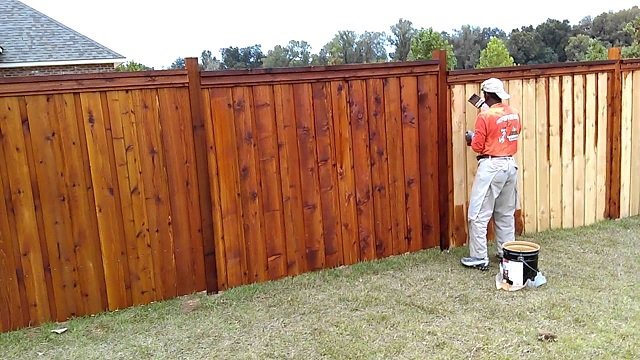
Understand the Role and Requirements
Before you pick up a brush, get clear on what fence painting entails. You’ll be preparing, cleaning, and coating wood, metal, or vinyl fences for both homes and businesses. Projects range from small backyard fences to large commercial perimeters, and each surface demands specific prep and paint products.
Check local regulations: some states require a contractor’s license or registration once your job exceed a certain dollar threshold. You may also need environmental certification for lead-safe practices if older coatings are involved.
Residential vs. Commercial Fence Painting
| Aspect | Residential Fences | Commercial Fences |
|---|---|---|
| Scale | Backyard yards and patios | Industrial parks and large estates |
| Scheduling | Flexible timing, homeowner-friendly | Off-hours or nights to avoid downtime |
| Coating Types | Decorative stains, water-based paints | High-performance epoxies, alkyds |
| Access | Small ladders and rolling scaffolds | Boom lifts, swing stages |
| Regulations | HOA guidelines, homeowner codes | OSHA safety rules, facility permits |
Profitability of a Commercial & Residential Fence Painting Business
Profitability Overview
Owning a fence painting business can mirror the strong margins seen in general painting services. Painting contractors often achieve gross profits around 50% and net profits between 13% and 27% when well-managed.
House painting contractors, which share similar cost structures, report operating profit (EBITDA) margins near 25% after salaries, materials and other recurring costs.
Across the broader painting industry, net profit margins commonly range from 10% to 20%, with larger outfits or niche specialists sometimes exceeding 20% through premium services and efficient operations.
Get the guide and start your business today

Key Factors Influencing Profitability
- Market Demand and Niche Positioning Fences require periodic repainting or staining, creating steady repeat business—especially in regions with wooden fencing.
- Pricing Model Charging by linear foot or per board allows easy quoting and consistent margins.
- Seasonality and Scheduling Busy spring/summer seasons can be offset by maintenance contracts or indoor prep work in off-peak periods.
- Labor Efficiency Well-trained crews, optimized routes and proper prep (cleaning, priming) minimize redo work and maximize billable hours.
- Material Costs & Supplier Relationships Bulk buying, negotiated discounts and standardizing on durable, fast-drying paints improve both cost control and customer satisfaction.
Financial Benchmarks
| Service Type | Gross Margin | Net Margin |
|---|---|---|
| Residential Fence Painting | 30% – 40% | 10% – 15% |
| Commercial Fence Painting | 35% – 45% | 12% – 20% |
The above ranges align with typical residential painting (30–40% gross, 10–15% net) and commercial painting (35–45% gross, 12–20% net) benchmarks.
Strategies to Boost Profitability
- Optimize Routing and Scheduling Use routing software to cut travel time and increase daily job capacity.
- Offer Maintenance Plans Annual or bi-annual repaint contracts stabilize cash flow outside peak season.
- Upsell Related Services Add power-washing, minor fence repairs or stain sealing at point of sale.
- Negotiate Supplier Deals Lock in volume discounts or terms with local paint distributors.
- Leverage Digital Marketing Target fencing keywords in your area; showcase before/after photos to drive premium quotes.
Fence painting businesses can be quite profitable if you leverage the strong margins inherent to the painting industry, control costs, and differentiate through niche services. Expect net margins in the 10–20% range, with opportunities to push higher through efficiency and value-added offerings.
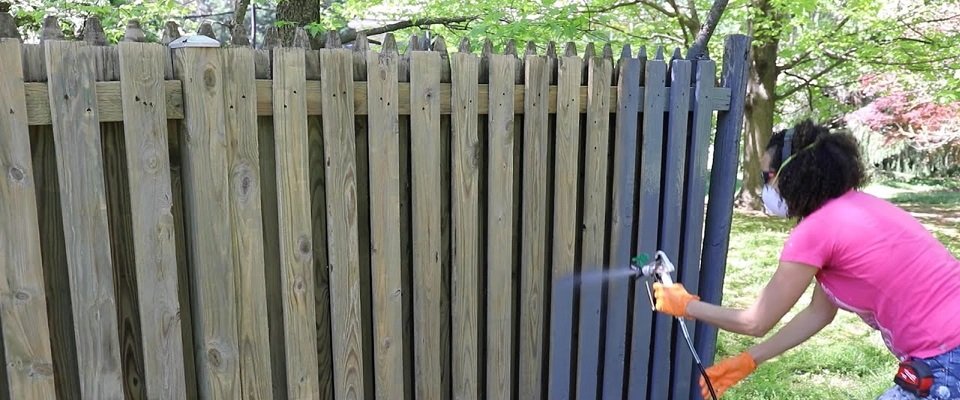
Income for a Commercial & Residential Fence Painting Business
Revenue Benchmarks
Fence painting businesses fall under the broader residential/commercial painting niche. Independent contractors average around $138,700 in annual gross revenue, while franchise‐level outfits report about $782,000 per year.
| Business Model | Avg. Annual Gross Revenue |
|---|---|
| Independent Painting Contractor | $138,700 |
| Franchise Painting Contractor | $782,000 |
Profit Margins & Net Income
Most painting contractors realize an operating profit (EBITDA) margin of about 25–27%.
- On $138,700 revenue, a 25% margin yields roughly $34,700 net annual profit.
- On $782,000 revenue, a 27% margin yields about $211,140 net annual profit.
Get the guide and start your business today
Owner Salary Ranges
Actual take-home pay varies by market size, project mix, and overhead controls.
- In typical metro areas (2M+ residents), a residential painting contractor can net over $250,000 yearly.
- Across the industry, owner compensation often falls between $40,000 and $100,000 per year, depending on location and business scale.
Key Factors Influencing Income
- Service Mix: Commercial contracts often pay higher per-square-foot rates but require larger crews and bonds.
- Market Density: Urban centers command premium pricing; rural markets may have fewer projects.
- Seasonality: Demand for exterior fence painting peaks in spring/summer months.
- Operational Efficiency: Accurate estimating, tight crew scheduling, and waste reduction boost margins.
- Value-Added Services: Power washing, staining, and minor wood repairs can increase average job size.
Owning a fence painting business can be lucrative if you align your pricing with local demand, control material and labor costs, and diversify into related services. Ready to dive deeper? Here are a few next steps you might explore:
- Evaluating startup costs for equipment, licensing, and insurance
- Crafting targeted marketing strategies for residential vs. commercial clients
- Building a seasonal workforce to handle peak workloads

Initial Steps to Start a Fence Painting Business
1. Define Your Niche & Service Offering
First, pinpoint exactly what you’ll specialize in.
- Exterior wood-fence repainting vs. new fence staining
- Residential vs. commercial property focus
- Value-adds: power washing, minor wood repairs, sealants
A clear service menu lets you tailor your marketing and pricing from day one.

2. Conduct Market Research
Gather intel on local demand and competitors.
- Survey nearby neighborhoods for common fence materials and paint trends
- Analyze pricing and service packages of at least 3 local painting contractors
- Identify gaps (e.g., eco-friendly coatings, off-season maintenance plans)
Use your findings to refine services and set competitive rates.
3. Write a Business Plan
Draft a concise plan covering:
- Executive Summary: mission, goals, target market
- Services & Pricing: detailed offerings and profit margin targets
- Marketing Strategy: lead channels (flyers, digital ads, partnerships)
- Operations: daily workflows, equipment needs, peak-season staffing
- Financial Projections: 1–3 year revenue, expense, and cash-flow forecasts
Even a one-pager forces clarity and guides early decisions.
4. Choose a Business Structure & Register
Select the legal entity that balances liability protection and tax flexibility:
- Sole Proprietorship: simplest but offers no personal-asset protection
- LLC: shields your personal assets, with pass-through taxation
- Corporation or Partnership: for larger teams or investors
Then register with state and local agencies, reserve your business name, and secure an EIN.
5. Obtain Licenses, Permits & Insurance
Operating legally builds trust and protects you:
- Business License: check city/county requirements for painters
- Contractor’s Permit: often required for commercial or bonded jobs
- General Liability Insurance: covers accidental property damage or injuries
- Workers’ Compensation: mandatory if you hire employees
Keep all documentation current and visibly posted in your office or vehicle.
Get the guide and start your business today
6. Acquire Tools, Equipment & Suppliers
Acquire Equipment & Supplies
Start lean; expand as you win more contracts.
- Essential Tools
- Brushes (various sizes), rollers, extension poles
- Drop cloths, painter’s tape, scrapers, sandpaper
- Pressure washer (for prepping wood and vinyl fences)
- Advanced Gear (as you scale)
- HVLP paint sprayer for high-volume jobs
- Scaffolding or mobile platforms for tall fences
- Color-matching spectrophotometer (commercial clients)
Secure Financing & Manage Cash Flow
Estimate your startup budget and plan for steady cash flow.
| Expense Category | Cost Range |
|---|---|
| Basic Tools & Ladders | $500–$1,000 |
| Paint Sprayer & Prep Gear | $800–$2,000 |
| Vehicle Down Payment (van) | $3,000–$7,000 |
| Website & Branding | $500–$1,200 |
| Insurance Premiums | $1,000–$2,500/yr |
| Licenses & Permits | $100–$800 |
| Working Capital (3 months) | $5,000–$10,000 |
- Consider a small business loan or line of credit to cover upfront costs.
- Use accounting software to track expenses, invoices, and payroll.
- Aim to maintain at least 30 days of operating expenses as reserve.
Stock up on high-quality gear to ensure efficiency and a professional finish:
- Pressure washer and surface-prep tools
- Professional-grade brushes, rollers, sprayers
- Tarps, masking tape, ladders, scaffolding
- Durable exterior paint, sealants, and stains
Forge relationships with one or two reliable paint suppliers for volume discounts.

7. Develop Pricing & Estimating Methods
Create a consistent estimating system:
- Calculate material costs per job (paint, sealant, masking)
- Factor in labor hours including prep and cleanup
- Add overhead allocation (fuel, insurance, marketing) plus desired margin
- Use flat-rate packages (e.g., “Standard Fence Refresh”) and add-ons (“Deep-clean prep”)
Transparent estimates speed approvals and reduce scope-creep.
8. Establish Branding & Marketing Channels
Build Your Brand & Online Presence
A strong brand inspires trust and attracts premium clients.
- Logo & Visual Identity: Keep it clean, professional, and fence-centric.
- Website:
- Mobile-friendly with gallery of past jobs
- Clear breakdown of residential vs. commercial services
- Online quote request form
- Social Proof: Encourage 5-star reviews on Google, Yelp, and Angie’s List.
- Vehicle Wraps & Uniforms: Turn your tools-of-the-trade into moving billboards.
Craft a memorable brand that speaks to your niche:
- Logo, color palette, and tagline (e.g., “Fence Revive Pros”)
- Website landing page with before/after galleries and online booking
- Local SEO: optimize for “fence painting near me”
- Direct mail or door-hanger campaigns in target neighborhoods
Track what generates calls and double down on top-performing channels.
Get the guide and start your business today
Launch Marketing & Sales Efforts
Consistent outreach wins the first clients and drives growth.
- Local SEO & Paid Ads: Target “fence painter near me” in your service area.
- Yard Signs: Place signs with permission at freshly painted jobs.
- Partnerships: Network with landscapers, fence installers, and property managers.
- Referral Program: Offer past clients incentives for new business.
9. Hire & Train Staff (If needed)
Hire & Train Your Team
As demand grows, delegate to maintain quality and capacity.
- Recruit Skilled Painters: Check work samples, backgrounds, and references.
- Onboard with Standard Operating Procedures (SOPs):
- Surface prep (cleaning, sanding, priming)
- Paint application techniques and safety protocols
- Jobsite cleanup and customer walkthrough
- Invest in Safety Training: Ladder safety, PPE usage, and hazardous‐materials handling.
If you plan to scale, start building a small crew:
- Look for painters with exterior experience and a strong work ethic
- Implement a short onboarding process covering safety, prep techniques, and customer service
- Provide quick-reference guides for your service standards and estimating tools
Well-trained crews protect your reputation and free you to focus on growth.

10. Launch & Iterate
Kick off with a soft launch in one or two neighborhoods:
- Offer a limited-time discount to first 10 clients
- Ask for photos and testimonials immediately after project completion
- Monitor job costs vs. estimates to fine-tune pricing
Regularly solicit feedback, then refine services, workflows, and marketing accordingly.
Ready to deepen your expertise? You might explore:
- Advanced wood-repair and staining certifications
- Seasonal service bundles (e.g., spring clean-and-seal)
- Equipment leasing vs. ownership to optimize cash flow
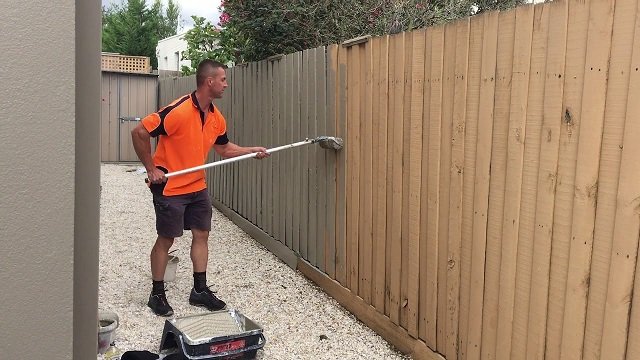
Additional Insights
- Startup Costs: Budget roughly $5,000–$15,000 for equipment, vehicle decals and initial marketing.
- Scaling: Branch into specialized coatings (e.g., weatherproof or eco-friendly stains) to command premium pricing.
- Technology: Consider simple CRM or job-tracking tools to automate estimates, invoicing and follow-ups.
- Insurance & Licensing: Proper liability coverage and local licensing not only protect you but can be sold as trust signals to customers.
Acquire Foundational Skills
Becoming a fence painter means mastering both general painting skills and fence-specific techniques. You’ll learn to prep, prime, paint, and protect wood, metal, and vinyl fences for homeowners and businesses alike. Follow these steps to build expertise, credibility, and a thriving fence-painting niche.
Surface prep, coatings and application techniques are the core of your craft.
- Surface cleaning and repair: power-wash, sand, caulk, replace rotten boards
- Primer and sealer selection based on material and exposure
- Paint and stain application using brushes, rollers, or sprayers
- Weather-proofing techniques to extend fence life
Get the guide and start your business today
Learn Fence-Specific Materials & Techniques
Fences pose unique challenges compared to walls:
- Wood fences need stain or waterproofing sealers; metal fences often require rust-inhibiting primers.
- Vinyl and composite fences use specialty acrylic coatings.
- Pressure-wash old coatings, repair rot or rust spots, tighten hardware.
- Practice spraying vs. brushing in tight pickets or lattice.
Seek workshops or manufacturer demos on fence coatings to broaden your know-how.
Gain Industry-Specific Training
Enroll in formal or online courses to master fence painting best practices:
- Vocational or technical school painting programs
- Manufacturer workshops on protective coatings and stains
- American Fence Association’s Fence Contractor Business School (required if under ten years of industry experience)
Build Hands-On Experience
Apprentice or work as a helper under an established fence contractor:
- Start with surface prep, cleaning, sanding, masking and simple paint jobs
- Progress to operating sprayers, mixing coatings, leading small teams
- Learn estimating, site setup, cleanup, and client communication on real projects
Gain Hands-On Experience
Real-world practice cements your skills:
- Apprenticeship: Join a residential/commercial painting crew.
- Side gigs: Offer discounted fence-painting to neighbors in exchange for feedback and photos.
- Volunteer: Help community parks or church yards refinish fences.
Document each job— “before and after” shots build your portfolio and sharpen your process.
Obtain Licensing and Certifications
Depending on your state and project scale, you may need:
- Contractor Registration or License
- Florida, California, Arizona, and many states require a painting contractor license for jobs over a certain dollar amount.
- EPA Lead-Safe Certification
- Required for pre-1978 structures and many commercial sites.
- General Liability & Workers’ Comp
- Protects you against property damage or injuries; mandatory in most jurisdictions.
- Surety Bond
- Often required for larger commercial contracts.
Check your local licensing board for exact thresholds and renewal cycles for contracting:
| Project Type | Licensing/Registration | Key Requirements |
|---|---|---|
| Residential | Register as Specialty Contractor (if >$5,000) | Three letters of reference, credit report, surety bond |
| Commercial | May need painter or general contractor license | High school diploma/GED, valid driver’s license, exam |
Ensure EPA or state-approved lead-safe certification if working on pre-1978 structures.
Safety & Environmental Compliance
Fence painters must follow strict safety and environmental protocols:
- Comply with OSHA fall-protection and confined-space standards.
- Use lead-safe work practices on older structures.
- Properly contain and dispose of paint chips, solvents, and overspray.
- Employ eco-friendly low-VOC or zero-VOC coatings to reduce fumes.
Staying compliant reduces liability and appeals to eco-conscious clients.

Set Up Your Business and Insurance
Register your business entity (LLC, sole proprietor) with the state and county. Secure the following policies:
- General liability insurance to cover property damage and injuries
- Workers’ compensation if you employ staff
- Commercial auto insurance for job-site transportation
Obtain any local business licenses or permits required for contracting work.
Equip Your Business
Invest in tools that speed quality work:
- Pressure Washer (2,000+ PSI) for cleaning old paint and mildew.
- Airless Paint Sprayer with fence-painting tip sets.
- Brushes & Rollers sized for pickets, rails, and panels.
- Scaffolding or Lifts for tall or long commercial runs.
- Safety Gear: respirators, goggles, gloves, and harnesses for heights.
Maintain, clean, and store equipment properly to protect your investment.
Build a Portfolio and Market Your Services
Market Yourself & Build a Portfolio
Stand out in both residential and commercial markets:
- Create a website showcasing fence projects with high-res photos and testimonials.
- Network with fence installers, landscapers, and property managers for referrals.
- List on local directories and trade-specific sites.
- Offer a seasonal maintenance package—power-wash, touch-up, reseal—to generate repeat business.
Treat each fenced property as a moving billboard—quality work is your best advertising.
Document finished projects with before-and-after photos. Use these to:
- Create a professional website showcasing residential and commercial jobs
- Encourage online reviews on Google, Yelp and social media
- Network with local fence installers, landscapers and property managers for referrals
Determining Pricing for Your Painting Services
1. Choose a Pricing Unit
Before quoting, decide whether you’ll charge by square foot, linear foot, hour, or a flat project rate:
- Per square foot: common for fences and walls; ranges from $1–$4 / sq ft depending on prep and finish quality.
- Per linear foot: often used for fences; averages $3–$14 / linear ft based on material and style
- Hourly: painters typically bill $25–$100 / hour depending on expertise and locale
- Flat project fee: convenient for small jobs or easy-to-scope tasks
2. Calculate Your Direct Costs
Break down every input to ensure complete coverage of expenses:
- Materials
- Paint, primer, sealers: gallons needed × cost / gallon
- Masking, caulk, sanding supplies, cleaners
- Labor
- Estimate prep time (power‐wash, sanding, repairs) plus application time
- Use your chosen hourly rate or derive an hourly equivalent from your per-ft pricing
- Equipment
- Depreciation or rental cost for sprayers, scaffolding, power washers
- Subcontracted services
- Lead‐safe certification or specialized cleanup

3. Add Overhead and Profit
Allocate a percentage of your direct costs to cover your business essentials, then layer on profit:
| Component | Typical % of Direct Cost |
|---|---|
| Insurance & Licensing | 5 – 10% |
| Vehicle & Shop Overhead | 5 – 15% |
| Marketing & Admin | 3 – 5% |
| Profit Margin | 10 – 20% |
Add these markups to your total direct cost to arrive at your final bid.
4. Adjust for Project Variables
Modify your base rate to reflect job-specific challenges:
- Surface type & condition: peeling paint or rust (wrought iron) adds prep time and materials
- Height & access: multi-story fences or awkward angles may require scaffolding
- Coats required: primer + two coats of paint vs. single-coat stain
- Geographic factors: local labor rates, seasonal demand, travel distance
5. Build a Flexible Pricing Template
Create a spreadsheet or estimating app with these columns:
| Task | Unit | Quantity | Unit Cost | Subtotal |
|---|---|---|---|---|
| Prep time | hours | 3 | $40/hr | $120 |
| Primer | gallons | 2 | $45 | $90 |
| Paint (2 coats) | gallons | 3 | $60 | $180 |
| Masking & sundries | job | 1 | $25 | $25 |
| Equipment rental | day | 1 | $75 | $75 |
| Direct Cost | $490 | |||
| Overhead @ 15% | $73.50 | |||
| Profit @ 15% | $85.73 | |||
| Total Bid | $649.23 |
Adjust quantities, rates, and percentages to fit each contract.

6. Benchmark Against the Market
- Survey local competitors’ published rates or obtain sample quotes
- Offer value-adds (extended warranty, eco-friendly paints) to justify premium pricing
- Periodically revisit your rates to stay competitive as material and labor costs shift
By systematically tallying your true costs, factoring in overhead and profit, and then fine-tuning for each job’s complexity, you’ll arrive at a transparent, defensible pricing structure that both you and your clients can trust.
Want more? Next, learn how to craft professional proposals, leverage estimating software, and streamline your sales process for faster approvals and higher close rates.
Deliver Exceptional Service & Scale
Superior workmanship and customer care fuel repeat business.
- Offer written estimates with clear scopes and timelines.
- Maintain open communication: job updates, weather delays, completion confirmation.
- Request feedback and handle any punch‐list items promptly.
- Upsell maintenance plans (annual touch-ups, resealing) for recurring revenue.
- Expand services over time: specialty finishes, protective sealants, graffiti removal.

Advanced Tips & Business Growth
Once established, consider:
- Specialty Coatings: linseed-oil finishes, anti-graffiti or anti-fungal paints.
- Vertical Integration: add fence repair, staining, or deck and siding painting services.
- Certification Programs: PCA and PDCA advanced courses in commercial coatings.
- Memberships: join the American Fence Association to stay current and network.
- Equipment Leasing: access industrial-grade lifts or sandblasters without high upfront costs.
Continual learning and service diversification keeps your business resilient and profitable.
By blending core painting expertise with fence-focused techniques, proper licensing, professional equipment, and savvy marketing, you’ll become the go-to contractor for both homeowners and large-scale commercial projects. Good luck refining your craft—and turning every fence into a showcase piece.
Next Steps and Additional Tips
Consider joining professional trade associations like the Painting and Decorating Contractors of America for ongoing education and networking. Invest in quality tools—airless sprayers, industrial sanders, durable scaffolding—and stay updated on new eco-friendly coatings. Continued training and attention to customer service will distinguish your fence-painting business in both residential neighborhoods and large commercial properties.
Key Takeaways
- Start Lean, Grow Smart: Begin with core tools and basic marketing.
- Quality First: Proper prep and paint application lead to long-term referrals.
- Differentiate: Serve both homeowners and commercial clients with tailored packages.
- Build Relationships: Networking and partnerships unlock steady project pipelines.
- Track Metrics: Monitor job profitability, customer acquisition cost, and client satisfaction.
Ready to turn fence lines into profit lines? Map out your next steps, grab your brushes, and paint your path to entrepreneurship.
Good luck, and may your business stand tall—just like the fences you transform!
Get the guide and start your business today
References [1] Certified Fence Contractor – American Fence Association [2] How To Get a Painter’s License (State Requirements)